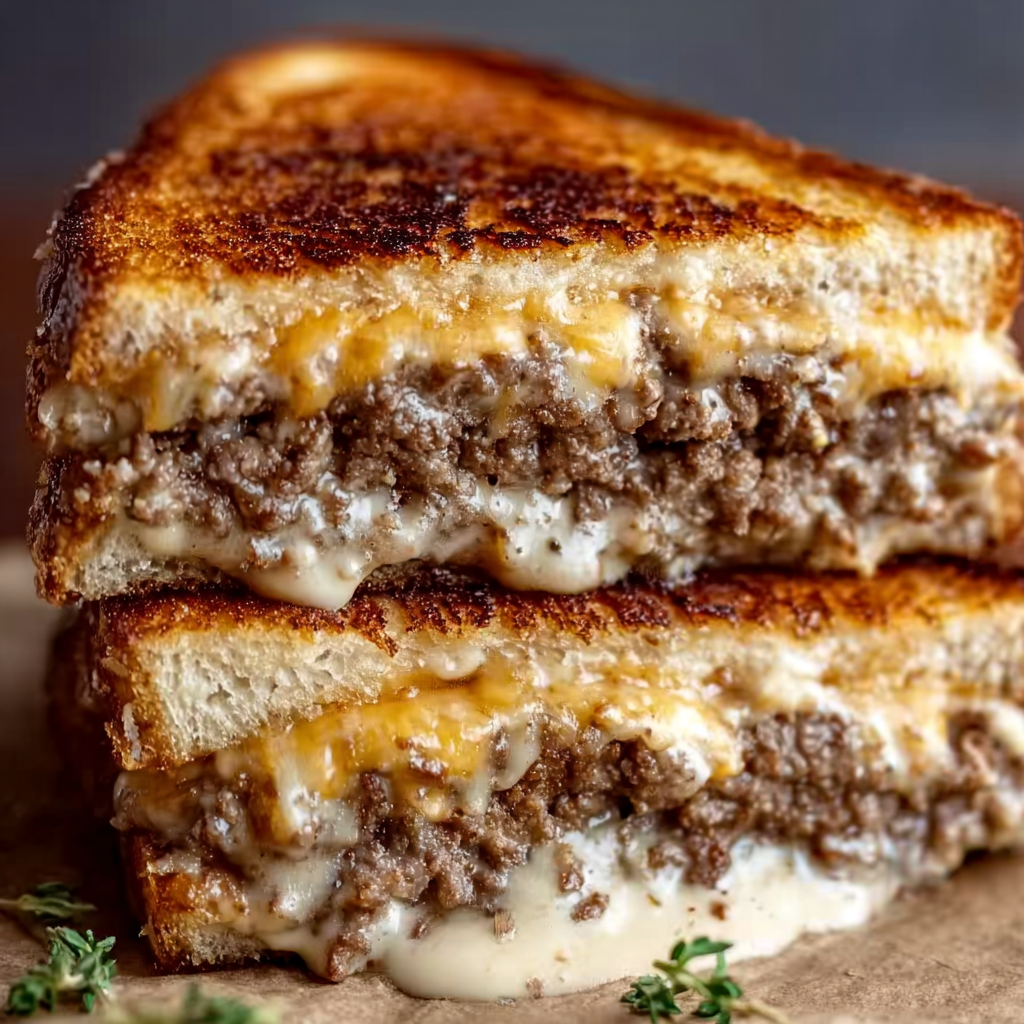
Hollywood's Enduring Comfort: Unwrapping the Classic Diner Style Patty Melt
In the vast culinary landscape, few dishes evoke such a powerful sense of nostalgia and pure comfort as the classic diner style patty melt. It’s a dish that transcends the humble sandwich, offering a symphony of textures and flavors that are both familiar and deeply satisfying. More than just a burger on toast, the patty melt holds a special place in the hearts of comfort food aficionados, a griddled masterpiece born from the vibrant diner culture of mid-20th century America.
Imagine golden, buttery rye bread, its crisp exterior yielding to a juicy beef patty, blanketed in a luscious cascade of melted cheese, and crowned with sweet, tender caramelized onions. Each bite is a journey back in time, a taste of roadside diners and late-night culinary adventures. This isn't just a meal; it's an experience, a warm, savory hug on a plate that continues to captivate diners and home cooks alike.
The Storied Origin of a Diner Icon: From Hollywood to Your Plate
While its presence feels ubiquitous in American diners today, the patty melt has a surprisingly specific origin story, rooted in the glamorous backdrop of Hollywood. It’s widely believed that this iconic sandwich was conceived at Tiny Naylor's, a popular drive-in restaurant established in Los Angeles in 1949. Tiny Naylor, a visionary restaurateur, is credited with dreaming up this ingenious creation that seamlessly blends the best elements of a hamburger with the irresistible allure of a grilled cheese sandwich.
The original concept for the patty melt aimed to offer something distinct from a standard burger. Instead of a bun, it embraced griddled bread, typically rye, providing a different texture and a more robust, savory foundation. This clever innovation quickly caught on, cementing the patty melt's status as a diner staple. Its genius lies in its simplicity: taking familiar ingredients and combining them in a way that elevates them to something truly special, a testament to the creativity that flourished in the post-war American dining scene. It quickly became the ultimate comfort food, a go-to for hungry patrons seeking something hearty and satisfying that felt both familiar and exciting.
Deconstructing the Perfect Classic Diner Style Patty Melt
Achieving the quintessential diner-style patty melt is a meticulous craft, where the magic truly lies in the details. Each component plays a vital role in creating that harmonious balance of flavors and textures.
The Foundation: Golden, Buttery Rye Bread
The bread isn't just a vehicle; it's an active player in the patty melt's symphony. For a truly classic diner style patty melt, rye bread is the unequivocal choice. Its slightly sour, earthy flavor perfectly complements the richness of the beef and cheese, while its firm texture holds up beautifully to the griddling process. The key is to butter the bread generously and cook it until it achieves a deep, golden-brown crispness that delivers a satisfying crunch with every bite. While some variations might use sourdough, traditionalists will argue that rye provides that authentic, slightly tangy counterpoint that defines the classic experience.
The Heart: Juicy Beef Patties
The beef patty in a patty melt isn't your average burger disc. For optimal juiciness and flavor, an 80/20 ground beef blend (80% lean, 20% fat) is highly recommended. The fat content ensures the patty remains moist and flavorful during cooking. Crucially, the patties should be formed relatively thin and flat, often shaped to match the dimensions of the bread. This ensures even cooking and allows the sandwich to press down neatly on the griddle, integrating all the elements seamlessly. Seasoning simply with salt and freshly ground black pepper is usually all that's needed to let the beef's natural flavor shine.
The Meltdown: Perfectly Paired Cheeses
Cheese is non-negotiable in a patty melt, and the choice of cheese significantly impacts the overall flavor profile. The traditional choices lean towards semi-hard, meltable varieties. Swiss cheese or Gruyere offer a nutty, slightly sweet counterpoint that is classic. Often, diners will use a combination, perhaps pairing Swiss with a slice of sharp Cheddar for an extra layer of creamy, tangy goodness. The goal is a cheese that melts beautifully, creating a gooey, irresistible layer that binds the patty and onions to the bread.
The Sweet & Savory Star: Caramelized Onions
Perhaps the most labor-intensive but ultimately rewarding component is the caramelized onions. These aren't just sautéed onions; they are onions transformed through patience and slow cooking. Thinly sliced onions are gently cooked over low to medium heat for 30-40 minutes (or even longer!), allowing their natural sugars to develop and brown, resulting in a deep, sweet, and intensely savory flavor. This rich sweetness provides a vital contrast to the savory beef and tangy sauce, completing the complex flavor profile of the patty melt.
The Tangy Kick: The Signature Sauce
While often overlooked, a good burger sauce can elevate a patty melt from great to extraordinary. Many classic diner-style patty melts feature a tangy, creamy sauce that cuts through the richness of the beef and cheese. A popular combination, inspired by diner tradition, involves a blend of mayonnaise, ketchup, Dijon mustard, a touch of apple cider vinegar for brightness, and a hint of garlic. This sauce adds a much-needed zing, tying all the robust flavors together and leaving a memorable impression. You can even experiment with adding a dash of Worcestershire sauce or a pinch of smoked paprika for extra depth.
Mastering the Griddle: Tips for Diner-Style Perfection
The cooking process for a patty melt is what truly transforms its individual components into a cohesive, comforting masterpiece. Mastering the griddle technique is key to achieving that signature diner quality.
- Patience with Onions: Begin by caramelizing your onions. Use a large, heavy-bottomed skillet or griddle over medium-low heat with a generous knob of butter. Stir frequently, scraping up any fond that forms, and resist the urge to rush them. True caramelization takes time – usually 30-40 minutes, sometimes more. They should be deep brown and incredibly tender.
- Perfect Patties: While the onions are caramelizing, gently form your 80/20 ground beef into four thin patties, roughly the size and shape of your bread slices. Season both sides generously with salt and pepper. Cook these patties in a separate skillet or on a griddle set to high heat. Sear them for about 2 minutes per side for a nice crust, then remove them to rest. They will continue to cook slightly when griddled inside the sandwich.
- Build and Griddle: Reduce the heat on your griddle or skillet to medium. Generously butter one side of each slice of rye bread. Place two slices, butter-side down, on the griddle. Immediately layer each with a slice of Swiss cheese, then a cooked beef patty, a generous helping of caramelized onions, and finally, another slice of cheddar cheese. Top with the remaining two slices of bread, butter-side up.
- The Press for Success: Use a spatula or a weighted press to gently but firmly press down on the sandwiches. This helps to compact the ingredients, ensuring all elements bond together and creating that wonderfully crispy, golden crust on the bread.
- Golden & Melty: Cook for 3-5 minutes per side, or until the bread is beautifully golden brown and crisp, and the cheese is thoroughly melted and gooey. The lower, steady heat ensures the bread browns evenly without burning, and the cheese has ample time to reach peak meltiness.
The final touches make all the difference. Once off the griddle, slice the patty melts in half for easier handling and a classic diner presentation. Serve immediately, allowing that enticing aroma to waft before the first satisfying bite.
The Ultimate Patty Melt Experience: Pairings and Presentation
A true classic diner style patty melt isn't complete without its traditional companions. To truly replicate the full diner experience, serve your patty melt alongside a handful of crisp, half-sour pickles. Their refreshing tang and crunch provide a delightful contrast to the rich, savory sandwich. A side of creamy coleslaw also makes an excellent pairing, offering a cool, refreshing element that balances the hearty meal.
For drinks, a cold glass of iced tea, a classic milkshake, or even a simple soda enhances the nostalgic appeal. The joy of a patty melt lies in its unpretentious, straightforward deliciousness – a celebration of simple ingredients combined with expert technique to create something truly unforgettable.
Conclusion
The classic diner style patty melt is more than just food; it's a culinary legacy, a testament to the enduring appeal of comfort food done right. From its Hollywood origins to its beloved status in diners across the nation, it embodies a perfect harmony of flavors and textures: the crispness of buttered rye, the juicy savor of beef, the gooey embrace of melted cheese, and the sweet counterpoint of caramelized onions, all brought together with a tangy secret sauce. Mastering this iconic sandwich at home is a rewarding journey, a delicious way to bring a piece of diner history and unparalleled comfort right to your kitchen. So, fire up your griddle, gather your ingredients, and treat yourself to this irresistible classic – you won't regret it!
